


Creating Engaging Elementary Lesson Plans

📖 Estimated Reading Time: 4 minutes | Just Teach — Free K-5 Resources
─────────────────────────────────────
[DOWNLOAD] Free Printable Lesson Plan PDF
Get a printable version of our K-2 Phonics Lesson Plan (Long /ee/ Sound) — perfect for classroom or home use:
[PDF Download] K-2 Phonics Lesson Plan: Long /ee/ Sound → https://05203cee-9878-45bd-8672-cc29e8651df4.usrfiles.com/ugd/8e21cb_be9c29712fb64f66b9a1fe6cb2c47509.pdf
Formatted for printing | CCSS.ELA-LITERACY.RF.1.3 aligned | Free for all K-5 educators
─────────────────────────────────────
Creating engaging lesson plans for elementary students is both an art and a science. It requires creativity, structure, and a deep understanding of how young learners absorb information. When lesson plans are engaging, students are more motivated, focused, and eager to participate. This makes teaching more rewarding and learning more effective.
In this post, I will share practical tips and strategies to help you design lesson plans that capture attention and inspire curiosity. Whether you are a classroom teacher or a home educator, these ideas will make your planning process smoother and your lessons more dynamic.
Why Engaging Lesson Plans Matter
Engagement is the key to successful learning. When students are engaged, they are actively involved in the lesson, not just passively listening. This leads to better retention, deeper understanding, and improved skills.
Engaging lesson plans:
Encourage student participation
Foster creativity and critical thinking
Build confidence and independence
Make learning fun and memorable
To create engaging lesson plans, you need to think about your students’ interests, learning styles, and developmental levels. Use a variety of activities and materials to keep things fresh and exciting.

How to Design Engaging Lesson Plans
Designing engaging lesson plans starts with clear objectives. Know exactly what you want your students to learn by the end of the lesson. Then, plan activities that help them reach those goals in an enjoyable way.
Here are some steps to guide you:
Set clear learning goals - Define what knowledge or skills students should gain.
Incorporate hands-on activities - Use games, experiments, or crafts to make learning active.
Use storytelling and real-life examples - Stories help students connect with the material.
Include visuals and multimedia - Pictures, videos, and props enhance understanding.
Plan for different learning styles - Mix auditory, visual, and kinesthetic activities.
Build in movement breaks - Short physical activities help maintain focus.
Encourage collaboration - Group work promotes social skills and shared learning.
Assess understanding regularly - Use quick quizzes or discussions to check progress.
By following these steps, you create a lesson plan that is structured yet flexible enough to adapt to your students’ needs.
Tips for Making Lessons Fun and Interactive
Fun and interaction are essential for engagement. Here are some specific ideas to bring your lessons to life:
Use games and challenges: Turn learning into a friendly competition with quizzes, puzzles, or scavenger hunts.
Incorporate technology: Interactive apps and educational websites can add excitement.
Create themed lessons: Tie lessons to holidays, seasons, or popular stories.
Invite guest speakers or virtual tours: Real-world connections make lessons more meaningful.
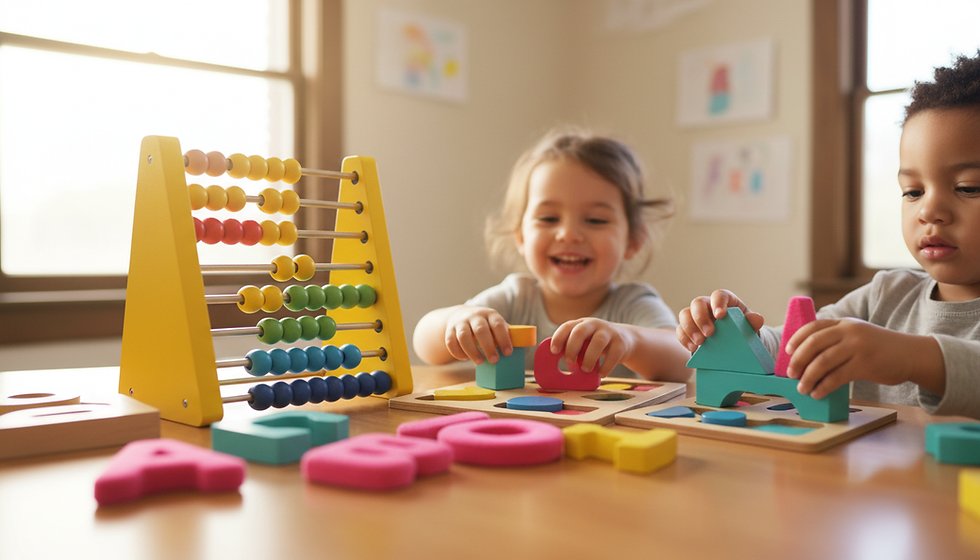
Use manipulatives: Objects like blocks, counters, or flashcards help with hands-on learning.
Encourage student choice: Let students pick topics or projects to increase ownership.
Include arts and crafts: Drawing, painting, or building projects reinforce concepts creatively.
Remember, the goal is to make learning feel like an adventure, not a chore.

Using Resources to Simplify Your Planning
Planning engaging lessons can be time-consuming. Luckily, there are many resources available to help. Websites, books, and online communities offer ready-made lesson plans, activity ideas, and printable materials.
One excellent resource is elementary education lesson plans. This site provides a wide range of lesson plans tailored for elementary educators. You can find plans organized by subject, grade level, and theme, making it easy to find what fits your classroom.
Using these resources can:
Save you time and effort
Provide inspiration for new activities
Ensure your lessons meet educational standards
Help you stay organized and consistent
Don’t hesitate to adapt and personalize these plans to suit your students’ unique needs.
Encouraging Student Engagement Every Day
Engagement is not just about one lesson; it’s about creating a classroom culture where students feel excited to learn every day. Here are some ways to build that culture:
Start with a warm-up activity: A quick game or question to get students thinking.
Use positive reinforcement: Praise effort and participation to motivate students.
Create a routine with variety: Predictable structure with different activities keeps students comfortable and interested.
Ask open-ended questions: Encourage students to think deeply and share ideas.
Involve students in planning: Let them suggest topics or activities.
Reflect on lessons together: Discuss what worked and what could be improved.
By consistently applying these strategies, you foster a learning environment where engagement thrives.
Keep Growing as an Educator
Creating engaging lesson plans is a skill that improves with practice and reflection. Stay curious about new teaching methods and be open to feedback from your students and peers.
Attend workshops or webinars on elementary education.
Join online forums or social media groups for teachers.
Experiment with different approaches and note what works best.
Share your successes and challenges with colleagues.
Remember, your enthusiasm and dedication inspire your students. When you are excited about teaching, your students will be excited about learning.
Creating engaging lesson plans is a rewarding journey. With clear goals, creative activities, and the right resources, you can make every lesson a meaningful experience. Keep exploring, keep adapting, and most importantly, keep inspiring your students to love learning.
─────────────────────────────────────
About the Author
This article was written by the Just Teach editorial team — K-5 educators from Appleton, Wisconsin. Just Teach provides free, curriculum-aligned lesson plans, phonics resources, and instructional materials for K-5 classroom and home teachers.
🎓 Credentials: B.S. & M.Ed. in Elementary Education | K-5 Certified Teachers | Curriculum Design Specialists
─────────────────────────────────────
📣 Share This Article
Did you find this helpful? Share it with a fellow educator:
📘 Share on Facebook → https://www.facebook.com/sharer/sharer.php?u=https%3A%2F%2Fwww.justteach.co%2Fpost%2Fcreating-engaging-elementary-lesson-plans
🐦 Share on Twitter/X → https://twitter.com/intent/tweet?url=https%3A%2F%2Fwww.justteach.co%2Fpost%2Fcreating-engaging-elementary-lesson-plans&text=Creating%20Engaging%20Elementary%20Lesson%20Plans
💼 Share on LinkedIn → https://www.linkedin.com/shareArticle?mini=true&url=https%3A%2F%2Fwww.justteach.co%2Fpost%2Fcreating-engaging-elementary-lesson-plans&title=Creating%20Engaging%20Elementary%20Lesson%20Plans
─────────────────────────────────────
📚 Related Posts
Keep exploring — more free resources from Just Teach:
Engaging K-2 Phonics Lesson Plan: Long /ee/ Sound → https://www.justteach.co/post/engaging-k-2-phonics-lesson-plan-the-long-ee-sound-complete-classroom-guide-with-pdf
Budget-Friendly Lesson Plans Made Easy → https://www.justteach.co/post/budget-friendly-elementary-lesson-plans-made-easy
Creating Engaging Elementary Lesson Plans → https://www.justteach.co/post/creating-engaging-elementary-lesson-plans
✅ All resources at Just Teach are free for K-5 educators.










Comments