


Curriculum Development On Mathematics for Kindergarten


Mathematics Curriculum for Kindergarten
Mathematics Curriculum for KindergartenMathematics lays the foundation for logical thinking, problem-solving, and critical reasoning skills. This kindergarten mathematics curriculum aims to introduce young learners to fundamental mathematical concepts in a hands-on and engaging manner, fostering their curiosity and love for math. The curriculum is designed to align with the developmental needs of kindergartners, providing a strong mathematical base for their future learning journey.Unit 1: Number Sense and Counting– Recognizing and writing numbers 1-10– Understanding one-to-one correspondence– Counting objects accurately– Comparing and ordering numbers– Introducing basic addition and subtraction concepts

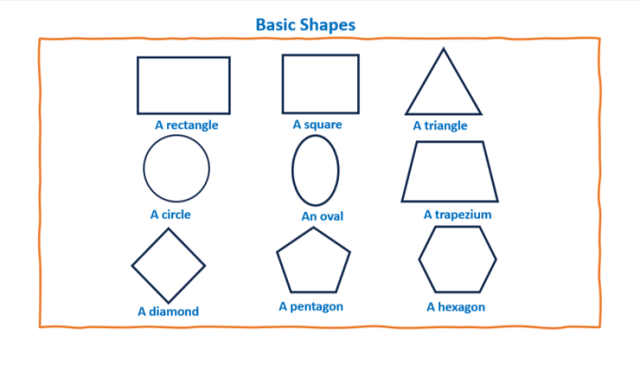
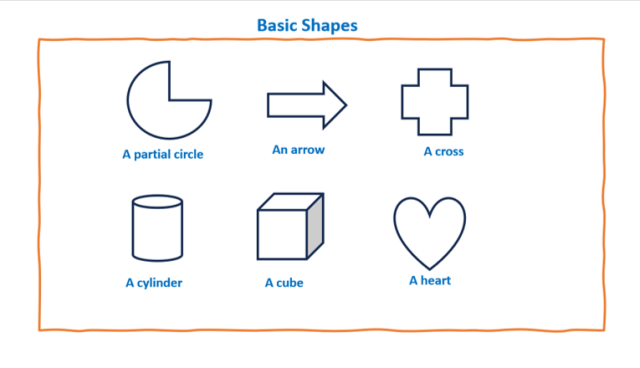
Unit 2: Shapes and Spatial Awareness– Recognizing and naming basic shapes (circle, square, triangle, rectangle)– Exploring attributes of shapes (sides, corners)– Sorting objects based on shape and size– Building and creating shapes with various materials
Unit 3: Measurement and Patterns– Introducing non-standard units of measurement (e.g., using blocks or paper clips)– Comparing and ordering objects by length, height, and weight– Understanding patterns (color, size, shape, and sound)– Creating and extending simple patterns

Unit 4: Data Analysis– Collecting and organizing data in a simple tally chart– Interpreting data using concrete objects and pictographs– Comparing and discussing data sets– Drawing conclusions based on data analysis

Unit 5: Time and Money– Recognizing and sequencing days of the week and months of the year– Discussing concepts of yesterday, today, and tomorrow– Introducing coins and their values (penny, nickel, dime, quarter)– Identifying and comparing the value of coins

Unit 6: Problem-Solving and Reasoning– Developing problem-solving skills through mathematical investigations and puzzles– Applying critical thinking skills to solve real-world problems– Encouraging logical reasoning through pattern recognition and logical puzzles– Promoting mathematical discussions and communication among students
Throughout the curriculum:– Integration of math skills into other subject areas (e.g., counting during science experiments or measuring ingredients during cooking)– Incorporating hands-on activities, manipulatives, and games to enhance understanding and engagement– Providing opportunities for group work and collaborative learning– Regular formative assessments to monitor progress and identify areas of improvement– Encouraging parental involvement through at-home activities and suggestions for math-related experiencesThis kindergarten mathematics curriculum aims to provide a solid foundation for mathematical understanding and skills. By engaging students in hands-on activities, problem-solving, and critical thinking, they will develop a love for math and essential skills that will serve as a stepping stone to further mathematical exploration in future grades.







Comments