


First-Grade Curriculum Goals: A Comprehensive Guide

Updated: Mar 5
📖 Estimated Reading Time: 4 minutes | Just Teach — Free K-5 Resources
Starting first grade is an exciting milestone. It’s a year full of learning, growth, and discovery. To support this journey, understanding the first-grade curriculum goals is essential. These goals help shape what children learn and how they develop key skills. Whether you are teaching in a classroom or guiding learning at home, knowing these goals makes planning easier and more effective.
In this guide, I will walk you through the main areas of the first-grade curriculum. I will explain what children should know by the end of the year and offer practical tips to help meet these goals. Let’s dive in and explore how to create a strong foundation for young learners.
Understanding First-Grade Curriculum Goals
First-grade curriculum goals focus on building essential skills in reading, writing, math, science, and social studies. These goals are designed to be clear and achievable, helping children gain confidence and independence.
Here are some key areas covered by first-grade curriculum goals:
Reading and Literacy: Developing phonics skills, recognizing sight words, and understanding simple texts.
Writing: Learning to write sentences, use punctuation, and express ideas clearly.
Mathematics: Mastering addition and subtraction, understanding place value, and recognizing shapes.
Science: Exploring plants, animals, weather, and basic physical science concepts.
Social Studies: Learning about communities, traditions, and basic geography.
Each subject area has specific objectives that build on kindergarten skills and prepare students for second grade. These goals encourage curiosity and a love of learning.

What should a first grader know at the end of first grade?
By the end of first grade, children should have a solid grasp of foundational skills. Here’s a breakdown of what they typically know:
Reading and Writing
Recognize and read common sight words.
Decode simple words using phonics.
Read aloud with increasing fluency.
Write simple sentences with correct capitalization and punctuation.
Retell stories and describe characters and settings.
Mathematics
Add and subtract numbers up to 20.
Understand the concept of place value (tens and ones).
Count to 120 by ones and tens.
Identify and describe 2D and 3D shapes.
Solve simple word problems.
Science and Social Studies
Describe basic needs of plants and animals.
Understand weather patterns and seasons.
Identify community helpers and their roles.
Recognize maps and basic geographic features.
These skills form the foundation for future learning. Encouraging practice and exploration in these areas helps children feel ready for the next grade.
Practical Tips for Teaching First-Grade Curriculum Goals
Meeting first-grade curriculum goals can be fun and rewarding. Here are some practical strategies to help children succeed:
Reading and Writing
Use daily read-alouds to build vocabulary and comprehension.
Practice phonics games to reinforce letter sounds.
Encourage children to write journals or simple stories.
Use flashcards for sight word recognition.
Create a word wall in the classroom or learning space.
Mathematics
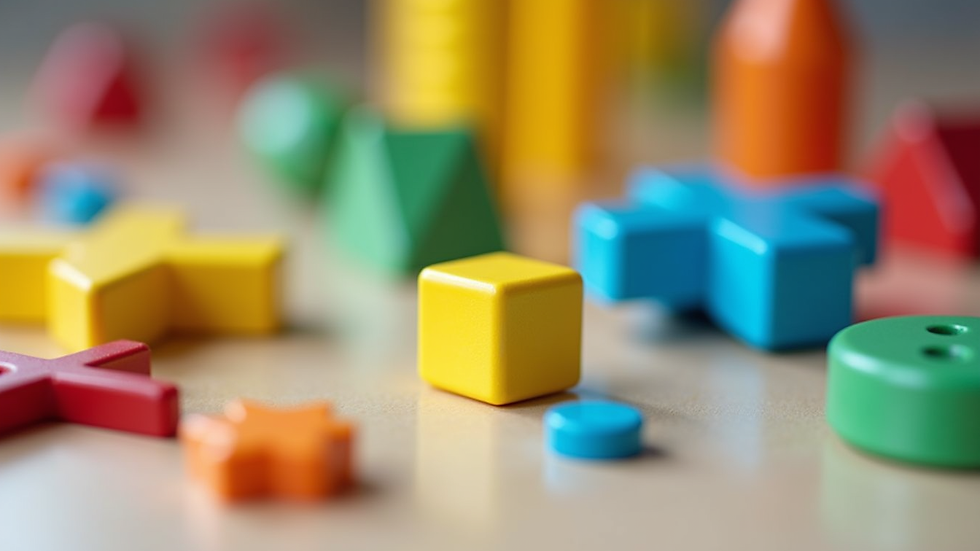
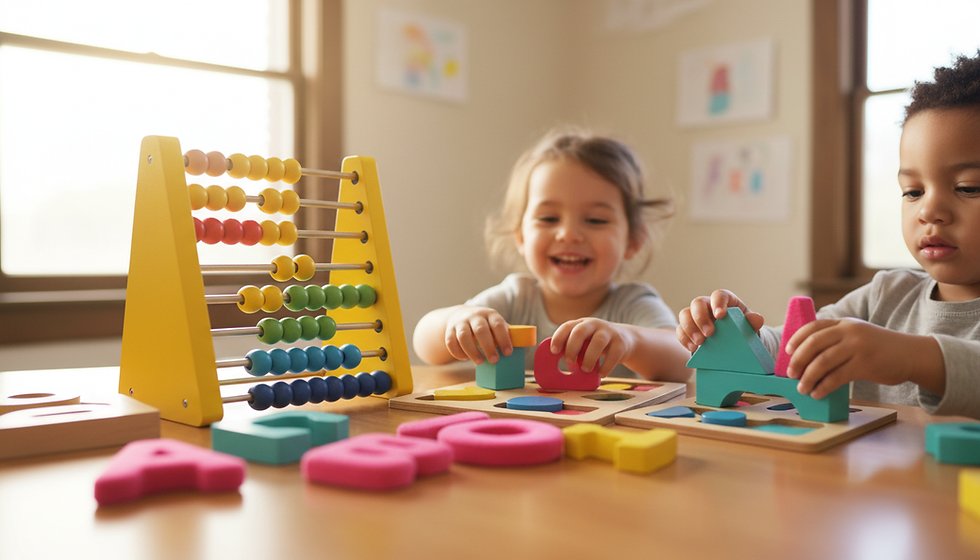
Use manipulatives like counters or blocks to visualize addition and subtraction.
Play number games that involve counting and simple calculations.
Incorporate real-life math by measuring ingredients or counting objects.
Use shape puzzles and drawing activities to explore geometry.
Practice mental math with quick daily exercises.
Science and Social Studies
Conduct simple experiments like planting seeds or observing weather changes.
Take nature walks to explore plants and animals.
Use storybooks about community helpers and traditions.
Create maps of the classroom or neighborhood.
Discuss daily routines and how communities work together.
These tips make learning interactive and meaningful. They also help children connect what they learn to the world around them.
How to Use First-Grade Curriculum Standards Effectively
To support learning, it’s important to understand and use the first grade curriculum standards as a guide. These standards provide a clear framework for what children should know and be able to do.
Here’s how to use them effectively:
Plan lessons around the standards: Align activities and assessments with the goals.
Track progress regularly: Use checklists or portfolios to monitor skills.
Differentiate instruction: Adapt lessons to meet diverse learning needs.
Engage families: Share goals and progress with parents to support learning at home.
Use resources wisely: Incorporate books, games, and technology that reinforce standards.
By following these steps, educators can create a focused and supportive learning environment. This approach helps children meet expectations and build confidence.
Supporting Social and Emotional Growth Alongside Academic Goals
First grade is not just about academics. Social and emotional development is equally important. Children learn how to work with others, manage feelings, and develop self-control.
Here are ways to support this growth:
Teach classroom rules and routines clearly.
Encourage sharing and cooperation through group activities.
Use role-playing to practice problem-solving and empathy.
Provide positive feedback to build self-esteem.
Create a safe and welcoming environment where children feel valued.
Balancing academic goals with social-emotional learning helps children become well-rounded and ready for future challenges.
Moving Forward with Confidence
Understanding and applying first-grade curriculum goals sets the stage for a successful school year. With clear objectives and practical strategies, teaching and learning become more manageable and enjoyable.
Remember, the key is to keep lessons simple, engaging, and connected to real life. Celebrate progress, encourage curiosity, and provide plenty of opportunities for practice.
By focusing on these goals, you help children build a strong foundation that will support their growth for years to come. Keep this guide handy as you plan and teach, and watch your students thrive.
Happy teaching!
─────────────────────────────────────
About the Author
This article was written by the Just Teach editorial team — K-5 educators from Appleton, Wisconsin. Just Teach provides free, curriculum-aligned lesson plans, phonics resources, and instructional materials for K-5 classroom and home teachers.
🎓 Credentials: B.S. & M.Ed. in Elementary Education | K-5 Certified Teachers | Curriculum Design Specialists
─────────────────────────────────────
📣 Share This Article
Did you find this helpful? Share it with a fellow educator:
📘 Share on Facebook → https://www.facebook.com/sharer/sharer.php?u=https%3A%2F%2Fwww.justteach.co%2Fpost%2Ffirst-grade-curriculum-goals-a-comprehensive-guide-1
🐦 Share on Twitter/X → https://twitter.com/intent/tweet?url=https%3A%2F%2Fwww.justteach.co%2Fpost%2Ffirst-grade-curriculum-goals-a-comprehensive-guide-1&text=First-Grade%20Curriculum%20Goals%3A%20A%20Comprehensive%20Guide
💼 Share on LinkedIn → https://www.linkedin.com/shareArticle?mini=true&url=https%3A%2F%2Fwww.justteach.co%2Fpost%2Ffirst-grade-curriculum-goals-a-comprehensive-guide-1&title=First-Grade%20Curriculum%20Goals%3A%20A%20Comprehensive%20Guide
─────────────────────────────────────
📚 Related Posts
Keep exploring — more free resources from Just Teach:
Engaging K-2 Phonics Lesson Plan: Long /ee/ Sound → https://www.justteach.co/post/engaging-k-2-phonics-lesson-plan-the-long-ee-sound-complete-classroom-guide-with-pdf
Budget-Friendly Lesson Plans Made Easy → https://www.justteach.co/post/budget-friendly-elementary-lesson-plans-made-easy
Creating Engaging Elementary Lesson Plans → https://www.justteach.co/post/creating-engaging-elementary-lesson-plans
✅ All resources at Just Teach are free for K-5 educators.











Comments