


Streamline Your Elementary Lesson Plans: Lesson Plan Simplification Strategies

Updated: Mar 5
📖 Estimated Reading Time: 4 minutes | Just Teach — Free K-5 Resources
Creating lesson plans for elementary students can sometimes feel overwhelming. There are so many subjects, activities, and learning goals to cover. But it doesn’t have to be complicated. With the right strategies, you can streamline your elementary lesson plans and make your teaching more effective and enjoyable. In this post, I’ll share practical tips and ideas to help you simplify your planning process while keeping your lessons engaging and meaningful.
Lesson Plan Simplification Strategies That Work
Simplifying your lesson plans means focusing on what truly matters: helping students learn and grow. Here are some strategies that have helped me save time and reduce stress:
Set clear objectives: Start by defining what you want your students to learn by the end of the lesson. Keep objectives specific and achievable. For example, instead of “learn about plants,” say “identify the parts of a plant and explain their functions.”
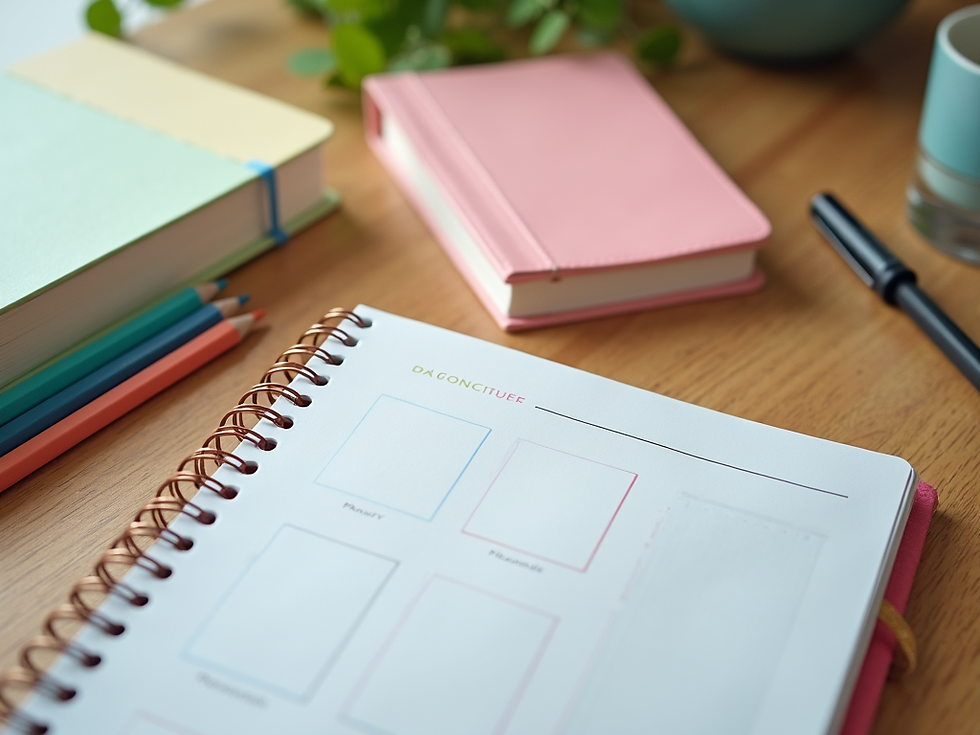
Use a consistent format: Create a simple template for your lesson plans. This saves time and helps you stay organized. Include sections like objectives, materials, activities, and assessment.
Plan in blocks: Group similar subjects or skills together. For example, plan all your reading lessons for the week at once. This helps you see connections and avoid repetition.
Incorporate routines: Establish daily or weekly routines for activities like morning meetings, reading time, or math drills. Routines reduce the need for constant planning and help students know what to expect.
Use ready-made resources: Don’t reinvent the wheel. Use quality teaching materials, worksheets, and lesson ideas from trusted sources. This frees up time to focus on customizing lessons for your students.
By applying these strategies, you can create lesson plans that are clear, focused, and easy to follow. This means more time for teaching and less time spent on paperwork.

What is the Best Way to Learn is to Teach?
One of the most powerful ways to deepen understanding is to teach others. When students explain concepts to their peers or even to themselves, they reinforce their learning. This approach can also simplify your lesson planning.
Here’s how to use this idea in your classroom:
Peer teaching: Pair students to teach each other a concept or skill. For example, after a math lesson, have students explain how they solved a problem to a partner.
Student presentations: Assign short presentations where students teach a topic to the class. This encourages research, organization, and communication skills.
Reflection activities: Ask students to write or talk about what they learned and how they would teach it to someone else.
Teacher modeling: Demonstrate how to explain a concept clearly. Show students how to break down information into simple steps.
This method not only helps students learn better but also reduces your workload. When students take part in teaching, you can focus on guiding and supporting rather than delivering every detail.
Practical Tips to Save Time While Planning
Time is precious, especially when you have many responsibilities. Here are some actionable tips to help you save time while planning your lessons:
Batch your planning: Dedicate a specific time each week to plan multiple lessons. This focused effort is more efficient than planning daily.
Use digital tools: Apps and websites can help you organize lesson plans, track progress, and find resources quickly.
Keep a lesson idea bank: Maintain a list of successful activities and lessons you can reuse or adapt.
Collaborate with colleagues: Share lesson plans and ideas with other teachers. Collaboration can spark creativity and reduce your workload.
Prioritize essential content: Focus on key skills and knowledge. Avoid overloading lessons with too much information.
By implementing these tips, you’ll find that lesson planning becomes less daunting and more manageable.

How to Create Engaging Lessons Without Overcomplicating
Engagement is key to effective learning, but it doesn’t require complicated plans. Here’s how to keep your lessons interesting and simple:
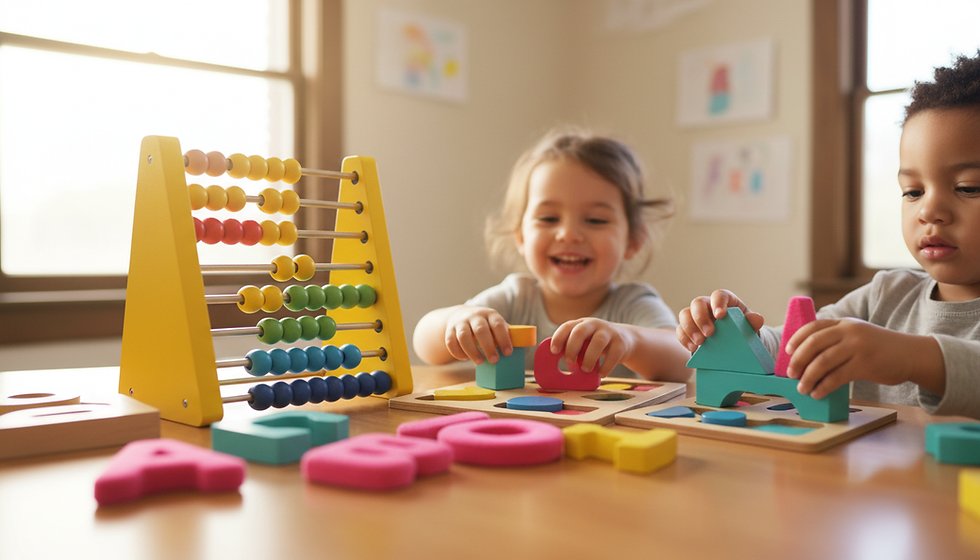
Use hands-on activities: Kids learn best by doing. Include experiments, crafts, or games related to the lesson.
Incorporate stories and examples: Relate lessons to real-life situations or stories to make concepts relatable.
Vary your teaching methods: Mix direct instruction with group work, discussions, and independent tasks.
Use visuals: Charts, pictures, and videos can make abstract ideas easier to understand.
Ask questions: Encourage curiosity by asking open-ended questions that invite thinking and discussion.
Remember, the goal is to create a learning environment where students feel excited and confident. Simple, well-planned activities often have the biggest impact.
Making the Most of Your Lesson Plans Every Day
Once you have your streamlined lesson plans, it’s important to use them effectively. Here are some tips to get the most out of your plans:
Be flexible: Sometimes lessons don’t go as planned. Be ready to adjust based on student needs and interests.
Reflect regularly: After each lesson, take a few minutes to note what worked and what didn’t. Use this feedback to improve future plans.
Keep materials ready: Organize your teaching materials in advance to avoid last-minute scrambling.
Set clear expectations: Share lesson goals with your students so they know what to focus on.
Celebrate progress: Recognize student achievements to keep motivation high.
By following these steps, your lesson plans will become powerful tools that support both teaching and learning.
I hope these lesson plan simplification strategies inspire you to create more effective and enjoyable lessons. Remember, the key is to focus on what matters most and to keep things simple. If you want to explore more resources and ideas, check out just teach for helpful tools designed specifically for elementary educators.
Happy teaching!
─────────────────────────────────────
About the Author
This article was written by the Just Teach editorial team — K-5 educators from Appleton, Wisconsin. Just Teach provides free, curriculum-aligned lesson plans, phonics resources, and instructional materials for K-5 classroom and home teachers.
🎓 Credentials: B.S. & M.Ed. in Elementary Education | K-5 Certified Teachers | Curriculum Design Specialists
─────────────────────────────────────
📣 Share This Article
Did you find this helpful? Share it with a fellow educator:
📘 Share on Facebook → https://www.facebook.com/sharer/sharer.php?u=https%3A%2F%2Fwww.justteach.co%2Fpost%2Fstreamline-your-elementary-lesson-plans-lesson-plan-simplification-strategies-1
🐦 Share on Twitter/X → https://twitter.com/intent/tweet?url=https%3A%2F%2Fwww.justteach.co%2Fpost%2Fstreamline-your-elementary-lesson-plans-lesson-plan-simplification-strategies-1&text=Streamline%20Your%20Elementary%20Lesson%20Plans%3A%20Simplification%20Strategies
💼 Share on LinkedIn → https://www.linkedin.com/shareArticle?mini=true&url=https%3A%2F%2Fwww.justteach.co%2Fpost%2Fstreamline-your-elementary-lesson-plans-lesson-plan-simplification-strategies-1&title=Streamline%20Your%20Elementary%20Lesson%20Plans%3A%20Simplification%20Strategies
─────────────────────────────────────
📚 Related Posts
Keep exploring — more free resources from Just Teach:
Engaging K-2 Phonics Lesson Plan: Long /ee/ Sound → https://www.justteach.co/post/engaging-k-2-phonics-lesson-plan-the-long-ee-sound-complete-classroom-guide-with-pdf
Budget-Friendly Lesson Plans Made Easy → https://www.justteach.co/post/budget-friendly-elementary-lesson-plans-made-easy
Creating Engaging Elementary Lesson Plans → https://www.justteach.co/post/creating-engaging-elementary-lesson-plans
✅ All resources at Just Teach are free for K-5 educators.








Comments