


Boost Classroom Success with Effective Teaching Strategies

Updated: Mar 5
📖 Estimated Reading Time: 4 minutes | Just Teach — Free K-5 Resources
Creating a successful classroom environment is a goal every educator strives for. With the right effective teaching strategies, learning becomes more engaging, enjoyable, and productive. I want to share practical tips and ideas that can help you boost classroom success. These strategies are easy to implement and designed to support both teachers and students in elementary education.
Why Effective Teaching Strategies Matter
Effective teaching strategies are the foundation of a thriving classroom. They help students understand concepts better, stay motivated, and develop critical thinking skills. When you use clear, proven methods, you create a positive learning atmosphere where students feel confident and eager to participate.
For example, using interactive activities like group discussions or hands-on projects encourages students to engage actively. This not only improves comprehension but also builds social skills. Another strategy is to provide regular feedback. When students know how they are doing, they can adjust their efforts and improve continuously.
By focusing on effective teaching strategies, you can reduce classroom disruptions and increase student achievement. It’s about making learning accessible and fun, so every child has the chance to succeed.

Key Effective Teaching Strategies to Try Today
Here are some of the most effective teaching strategies that I have found useful in elementary classrooms:
Differentiated Instruction
Tailor your lessons to meet the diverse needs of your students. Some may need extra support, while others benefit from more challenging tasks. Use varied materials and activities to reach everyone.
Use Visual Aids
Visuals like charts, diagrams, and videos help students grasp complex ideas quickly. They also cater to visual learners who understand better through images.
Incorporate Technology
Tools like educational apps and interactive whiteboards can make lessons more dynamic. Technology can also provide instant feedback and track student progress.
Set Clear Objectives
Start each lesson by telling students what they will learn. Clear goals help students focus and understand the purpose of the activity.
Encourage Collaboration
Group work and peer learning foster communication and teamwork. Students learn from each other and develop social skills.
Use Formative Assessments
Short quizzes, exit tickets, or quick polls during lessons help you check understanding and adjust your teaching accordingly.
Create a Positive Classroom Culture
Celebrate successes, encourage questions, and build trust. A supportive environment motivates students to take risks and try new things.
By applying these strategies consistently, you will see a noticeable improvement in student engagement and achievement.
What is the best way to learn is to teach?
One of the most powerful ways to deepen understanding is to teach others. When students explain concepts to their peers, they reinforce their own learning. This method encourages active participation and boosts confidence.
For example, after a lesson, you can have students pair up and take turns teaching each other a key point. This peer teaching helps clarify doubts and solidifies knowledge. It also develops communication skills and responsibility.
As a teacher, I often encourage students to "just teach" what they have learned. This simple act transforms passive learners into active educators. It’s a strategy that benefits both the student doing the teaching and the one receiving it.

Practical Tips for Implementing These Strategies
Implementing effective teaching strategies doesn’t have to be overwhelming. Here are some practical tips to get started:
Plan Ahead: Outline your lesson objectives and choose strategies that fit your goals. Preparation saves time and reduces stress.
Start Small: Introduce one or two new strategies at a time. This allows you to see what works best for your students.
Be Flexible: Adapt your approach based on student feedback and performance. What works for one group may need tweaking for another.
Use Resources: Take advantage of online tools and lesson plans. Websites like just teach offer ready-made materials that can save you time.
Reflect Regularly: After each lesson, think about what went well and what could improve. Continuous reflection helps you grow as an educator.
Engage Parents: Share your strategies with parents and encourage them to support learning at home. A strong home-school connection boosts student success.
By following these tips, you can create a more effective and enjoyable learning experience for your students.
Creating an Engaging Learning Environment
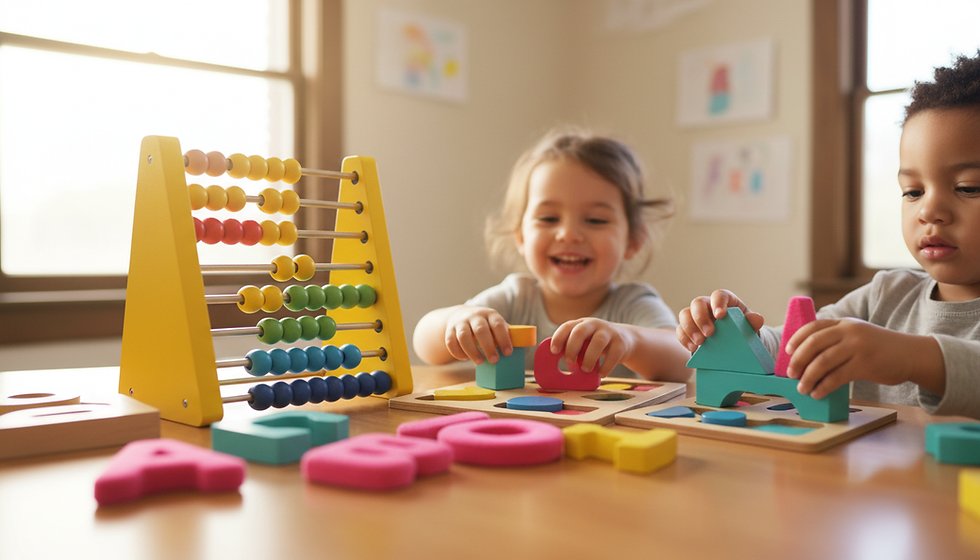
An engaging classroom environment is key to student success. It’s not just about the physical space but also the atmosphere you create. Here are some ways to make your classroom more inviting and stimulating:
Organize the Space: Arrange desks to encourage interaction. Use bright colors and student work displays to make the room welcoming.
Incorporate Movement: Allow students to move around during lessons. Activities like stations or brain breaks help maintain focus.
Use Positive Language: Encourage and praise effort. Positive reinforcement builds confidence and motivation.
Offer Choices: Let students choose topics or activities when possible. Choice increases engagement and ownership of learning.
Integrate Real-Life Connections: Relate lessons to everyday experiences. This makes learning relevant and meaningful.
When students feel comfortable and interested, they are more likely to participate and retain information.
Moving Forward with Confidence
Using effective teaching strategies is a journey, not a one-time fix. With patience and practice, you will see your classroom transform into a place where students thrive. Remember, the goal is to make learning accessible, enjoyable, and rewarding.
By focusing on clear objectives, varied teaching methods, and a positive environment, you empower your students to reach their full potential. And don’t forget the power of peer teaching - encouraging students to "just teach" can make a big difference.
Keep exploring new ideas, stay flexible, and celebrate every success along the way. Your dedication makes a lasting impact on your students’ lives.
Thank you for reading! I hope these strategies inspire you to create a classroom where every student can succeed.
─────────────────────────────────────
About the Author
This article was written by the Just Teach editorial team — K-5 educators from Appleton, Wisconsin. Just Teach provides free, curriculum-aligned lesson plans, phonics resources, and instructional materials for K-5 classroom and home teachers.
🎓 Credentials: B.S. & M.Ed. in Elementary Education | K-5 Certified Teachers | Curriculum Design Specialists
─────────────────────────────────────
📣 Share This Article
Did you find this helpful? Share it with a fellow educator:
📘 Share on Facebook → https://www.facebook.com/sharer/sharer.php?u=https%3A%2F%2Fwww.justteach.co%2Fpost%2Fboost-classroom-success-with-effective-teaching-strategies-2
🐦 Share on Twitter/X → https://twitter.com/intent/tweet?url=https%3A%2F%2Fwww.justteach.co%2Fpost%2Fboost-classroom-success-with-effective-teaching-strategies-2&text=Boost%20Classroom%20Success%20with%20Effective%20Teaching%20Strategies
💼 Share on LinkedIn → https://www.linkedin.com/shareArticle?mini=true&url=https%3A%2F%2Fwww.justteach.co%2Fpost%2Fboost-classroom-success-with-effective-teaching-strategies-2&title=Boost%20Classroom%20Success%20with%20Effective%20Teaching%20Strategies
─────────────────────────────────────
📚 Related Posts
Keep exploring — more free resources from Just Teach:
Simplified Teaching Method for K-5 → https://www.justteach.co/post/simplifying-teaching-with-the-simplified-teaching-method
Essential Tools for Elementary Teachers → https://www.justteach.co/post/essential-tools-for-elementary-teachers-a-guide-to-success
The Ultimate Teacher Planning Toolkit → https://www.justteach.co/post/discover-the-ultimate-elementary-teacher-planning-toolkit
✅ All resources at Just Teach are free for K-5 educators.











Comments