


Creating Engaging Lesson Plans for Elementary Students

Updated: Apr 24
📖 Estimated Reading Time: 5 minutes | Just Teach — Free K-5 Resources
Creating engaging lesson plans for elementary students is both an art and a science. It requires creativity, structure, and a deep understanding of how young learners absorb information. When lessons are engaging, students are more motivated, curious, and ready to participate. I want to share practical tips and strategies that make lesson planning easier and more effective. These ideas will help you design lessons that capture attention and foster a love of learning.
Why Engaging Lesson Plans Matter
Engagement is the key to successful learning. When students are interested and involved, they retain information better and develop critical thinking skills. Engaging lesson plans encourage active participation, which is essential for young learners who often have shorter attention spans.
To create engaging lesson plans, I focus on:
Variety: Mixing activities to keep things fresh.
Relevance: Connecting lessons to students’ lives.
Interaction: Encouraging collaboration and discussion.
Hands-on learning: Using materials and experiments.
By combining these elements, lessons become more dynamic and memorable.

How to Design Engaging Lesson Plans
Designing engaging lesson plans starts with clear objectives. I always ask myself: What should students know or be able to do by the end of this lesson? Once the goals are set, I plan activities that align with those goals and keep students actively involved.
Here’s a simple step-by-step approach:
Set clear learning objectives - Define what success looks like.
Choose a hook - Start with a question, story, or game to grab attention.
Plan varied activities - Include reading, writing, discussion, and hands-on spans.
To create engaging lesson plans, I focus on:
Variety: Mixing activities to keep things fresh.
Relevance: Connecting lessons to students’ lives.
Interaction: Encouraging collaboration and discussion.
Hands-on learning: Using materials and experiments.
By combining these elements, lessons become more dynamic and memorable.
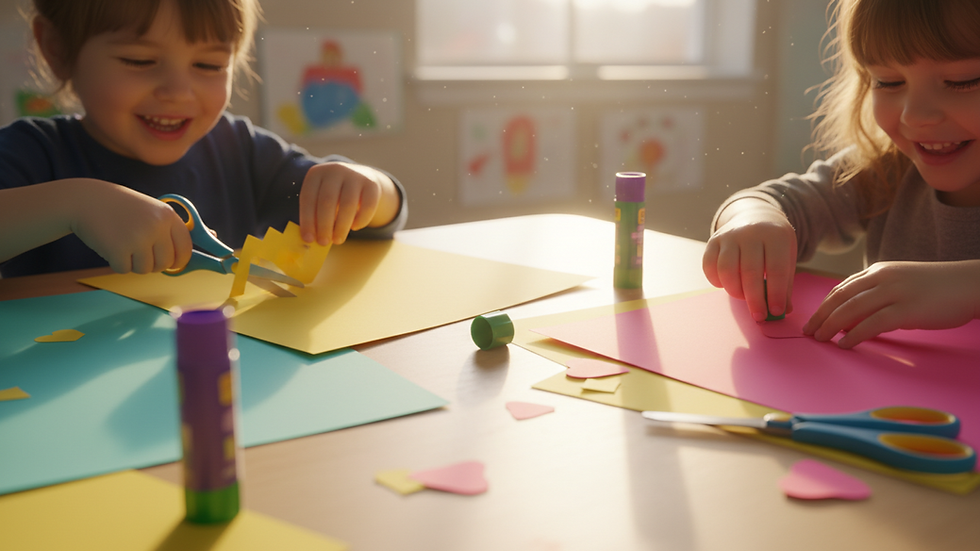
Eye-level view of colorful classroom with interactive learning stations How to Design Engaging Lesson Plans
Designing engaging lesson plans starts with clear objectives. I always ask myself: What should students know or be able to do by the end of this lesson? Once the goals are set, I plan activities that align with those goals and keep students actively involved.
Here’s a simple step-by-step approach:
Set clear learning objectives - Define what success looks like.
Choose a hook - Start with a question, story, or game to grab attention.
Plan varied activities - Include reading, writing, discussion, and hands-on tasks.
Incorporate movement - Allow students to move around to stay energized.
Use visuals and props - Pictures, charts, and objects make ideas concrete.
Build in reflection time - Let students share what they learned.
For example, if teaching about plants, I might start with a story about a seed’s journey, then have students plant seeds themselves, and finish with a drawing activity to reflect on growth stages.
Tips for Making Lessons Fun and Interactive
Fun and interaction go hand in hand. When students enjoy the lesson, they naturally engage more deeply. Here are some tips I use to keep lessons lively:
Games and challenges: Turn learning into a friendly competition.
Group work: Encourage teamwork and peer learning.
Technology integration: Use educational apps or videos to supplement.
Storytelling: Bring concepts to life with stories or role-play.
Creative arts: Incorporate drawing, music, or drama.
For instance, a math lesson on addition can become a treasure hunt where students solve problems to find clues. This approach makes abstract concepts tangible and exciting.

Using Resources to Support Your Lesson Plans
There are many resources available to help create engaging lesson plans. I often turn to online platforms, books, and printable materials that align with curriculum standards. One great resource is elementary education lesson plans, which offers a variety of ready-made plans and ideas.
When selecting resources, I look for:
Age-appropriate content - Materials that match students’ developmental levels.
Clear instructions - Easy-to-follow guides for activities.
Flexibility - Options to adapt lessons based on student needs.
Visual appeal - Colorful and engaging designs.
Using these resources saves time and ensures lessons are well-rounded and effective.
a treasure hunt where students solve problems to find clues. This approach makes abstract concepts tangible and exciting.
Using Resources to Support Your Lesson Plans
There are many resources available to help create engaging lesson plans. I often turn to online platforms, books, and printable materials that align with curriculum standards. One great resource is elementary education lesson plans, which offers a variety of ready-made plans and ideas.
When selecting resources, I look for:
Age-appropriate content - Materials that match students’ developmental levels.
Clear instructions - Easy-to-follow guides for activities.
Flexibility - Options to adapt lessons based on student needs.
Visual appeal - Colorful and engaging designs.
Using these resources saves time and ensures lessons are well-rounded and effective.
Encouraging Student Participation and Feedback
Engagement is a two-way street. Encouraging students to participate and share their thoughts helps me adjust lessons to better meet their needs. I use simple strategies like:
Asking open-ended questions - To spark discussion.
Using think-pair-share - Students think individually, then discuss with a partner.
Incorporating student interests - Tailoring examples to what they like.
Regular check-ins - Quick polls or thumbs up/down to gauge understanding.
Feedback is also important. I invite students to share what they enjoyed or found challenging. This helps me improve future lesson plans and keeps students invested in their learning journey.
Encouraging Student Participation and Feedback
Engagement is a two-way street. Encouraging students to participate and share their thoughts helps me adjust lessons to better meet their needs. I use simple strategies like:
Asking open-ended questions - To spark discussion.
Using think-pair-share - Students think individually, then discuss with a partner.
Incorporating student interests - Tailoring examples to what they like.
Regular check-ins - Quick polls or thumbs up/down to gauge understanding.
Feedback is also important. I invite students to share what they enjoyed or found challenging. This helps me improve future lesson plans and keeps students invested in their learning journey.
Making Lesson Planning Less Stressful
Planning engaging lessons can feel overwhelming, but it doesn’t have to be. I recommend:
Batch planning: Prepare several lessons at once to save time.
Using templates: Standardize your lesson plan format.
Setting realistic goals: Focus on key objectives rather than trying to cover everything.
Collaborating with peers: Share ideas and resources.
Reflecting regularly: Adjust plans based on what works best.
By organizing your planning process, you can reduce stress and create more effective lessons.
Creating a Positive Learning Environment
An engaging lesson plan is only part of the equation. The classroom environment plays a huge role in student engagement. I strive to create a space that is welcoming, safe, and stimulating. This includes:
Clear routines: Students know what to expect.
Accessible materials: Supplies are easy to reach.
Encouraging atmosphere: Praise effort and creativity.
Flexible seating: Options for group work or quiet time.
When students feel comfortable and supported, they are more likely to participate actively and take risks in their learning.
Creating engaging lesson plans is a rewarding process that benefits both teachers and students. By focusing on clear objectives, varied activities, and student interaction, you can design lessons that inspire curiosity and foster success. Remember, the goal is to make learning enjoyable and meaningful every day. With the right approach and resources, lesson planning becomes a joyful part of teaching.
Happy teaching!
─────────────────────────────────────
About the Author
This article was written by the Just Teach editorial team — K-5 educators from Appleton, Wisconsin. Just Teach provides free, curriculum-aligned lesson plans, phonics resources, and instructional materials for K-5 classroom and home teachers.
🎓 Credentials: B.S. & M.Ed. in Elementary Education | K-5 Certified Teachers | Curriculum Design Specialists
─────────────────────────────────────
📣 Share This Article
Did you find this helpful? Share it with a fellow educator:
📘 Share on Facebook → https://www.facebook.com/sharer/sharer.php?u=https%3A%2F%2Fwww.justteach.co%2Fpost%2Fcreating-engaging-elementary-lesson-plans-2
🐦 Share on Twitter/X → https://twitter.com/intent/tweet?url=https%3A%2F%2Fwww.justteach.co%2Fpost%2Fcreating-engaging-elementary-lesson-plans-2&text=Creating%20Engaging%20Lesson%20Plans%20for%20Elementary%20Students
💼 Share on LinkedIn → https://www.linkedin.com/shareArticle?mini=true&url=https%3A%2F%2Fwww.justteach.co%2Fpost%2Fcreating-engaging-elementary-lesson-plans-2&title=Creating%20Engaging%20Lesson%20Plans%20for%20Elementary%20Students
─────────────────────────────────────
📚 Related Posts
Keep exploring — more free resources from Just Teach:
Engaging K-2 Phonics Lesson Plan: Long /ee/ Sound → https://www.justteach.co/post/engaging-k-2-phonics-lesson-plan-the-long-ee-sound-complete-classroom-guide-with-pdf
Budget-Friendly Lesson Plans Made Easy → https://www.justteach.co/post/budget-friendly-elementary-lesson-plans-made-easy
Creating Engaging Elementary Lesson Plans → https://www.justteach.co/post/creating-engaging-elementary-lesson-plans
✅ All resources at Just Teach are free for K-5 educators.


Comments