


Enhance Your Toolkit with Ready-to-Use Resources for Effective Teaching Toolkits

Updated: 3 days ago
Teaching young learners is a rewarding journey, but it can also be challenging. Having the right tools at your fingertips makes a big difference. Ready-to-use resources save time, reduce stress, and help create engaging lessons that inspire students. I want to share how you can enhance your teaching toolkit with practical, effective materials that support your daily classroom needs.
Why Effective Teaching Toolkits Matter
An effective teaching toolkit is more than just a collection of worksheets or lesson plans. It is a carefully curated set of resources designed to support learning goals, simplify preparation, and boost student engagement. When you have these tools ready, you can focus more on teaching and less on scrambling for materials.
For example, imagine having a set of math games, reading comprehension sheets, and science experiments all organized and ready to go. This means you can quickly adapt lessons to your students’ needs without starting from scratch every time. Effective teaching toolkits help you:
Save valuable planning time
Provide consistent learning experiences
Address different learning styles
Keep students motivated and interested
Using ready-to-use resources also helps maintain a smooth classroom flow. When materials are prepared and accessible, transitions between activities become easier, and students stay focused.

How to Build Your Own Effective Teaching Toolkits
Building your own toolkit might sound overwhelming, but it’s easier than you think. Start by identifying the subjects and skills you teach most often. Then, gather resources that align with your curriculum and teaching style. Here’s a simple step-by-step approach:
Assess Your Needs
Think about the topics you cover regularly and the types of activities your students enjoy. Do you need more hands-on science experiments? Or maybe literacy centers with engaging reading tasks?
Collect Quality Resources
Look for materials that are easy to use and adaptable. These can include printable worksheets, interactive games, flashcards, and lesson plans. Make sure they are age-appropriate and aligned with learning standards.
Organize Your Materials
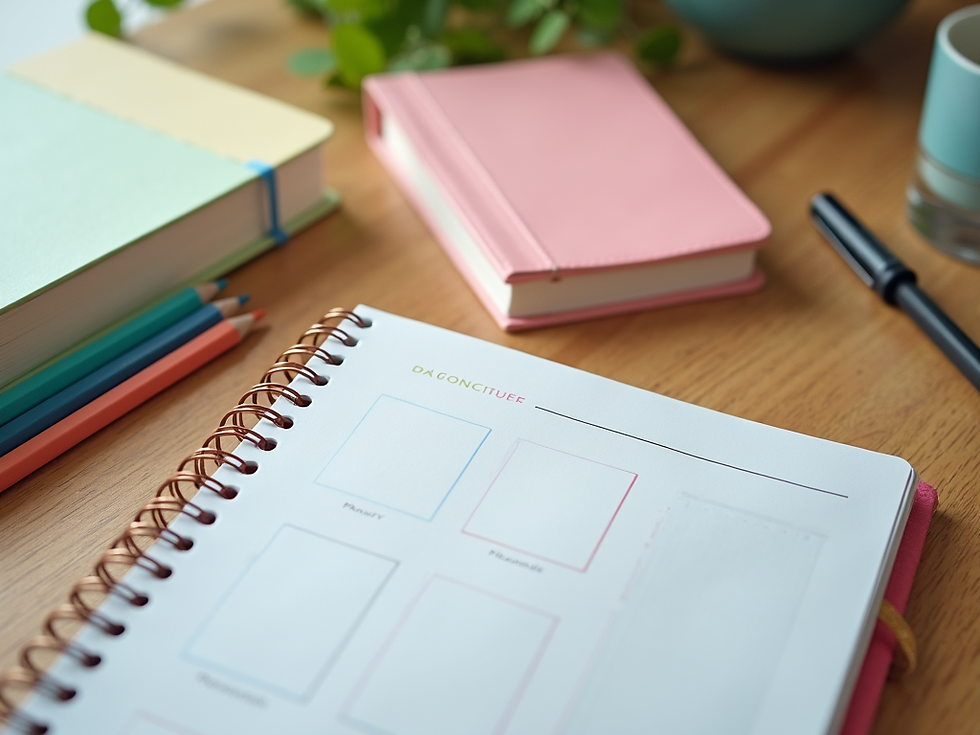
Use folders, binders, or digital tools to keep everything in one place. Label resources clearly so you can find them quickly during lessons.
Test and Adjust
Try out your resources in the classroom and note what works best. Modify or replace materials as needed to better suit your students.
Keep Adding and Updating
Teaching is always evolving. Keep your toolkit fresh by adding new resources and retiring those that no longer fit your needs.
By following these steps, you create a personalized toolkit that grows with you and your students.
Using Ready-to-Use Resources to Save Time and Boost Engagement
One of the biggest benefits of ready-to-use resources is the time they save. Instead of spending hours creating materials, you can focus on delivering lessons and supporting your students. Here are some practical ways to use these resources effectively:
Plan Weekly Themes
Use themed resource packs to create cohesive lessons around a topic. For example, a unit on animals might include reading passages, vocabulary cards, and science experiments all ready to go.
Incorporate Games and Activities
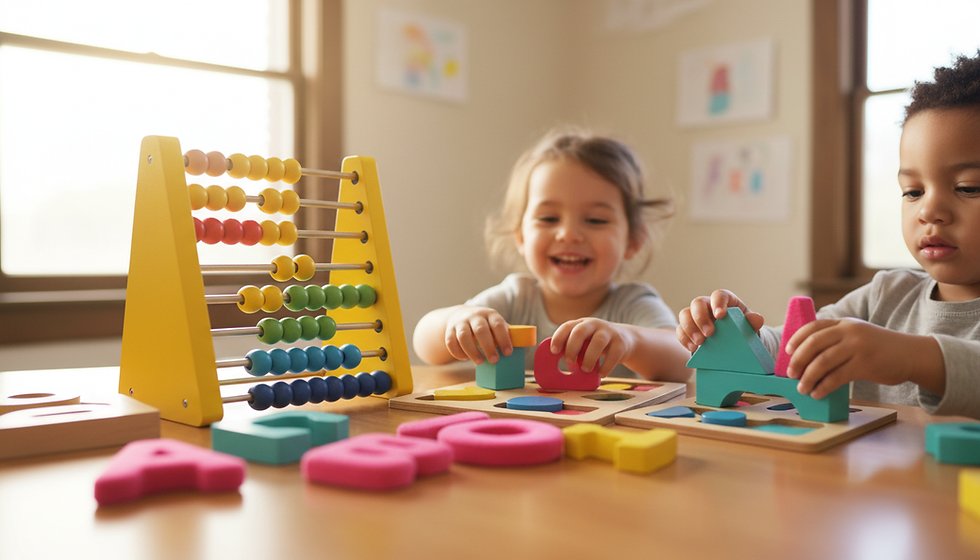
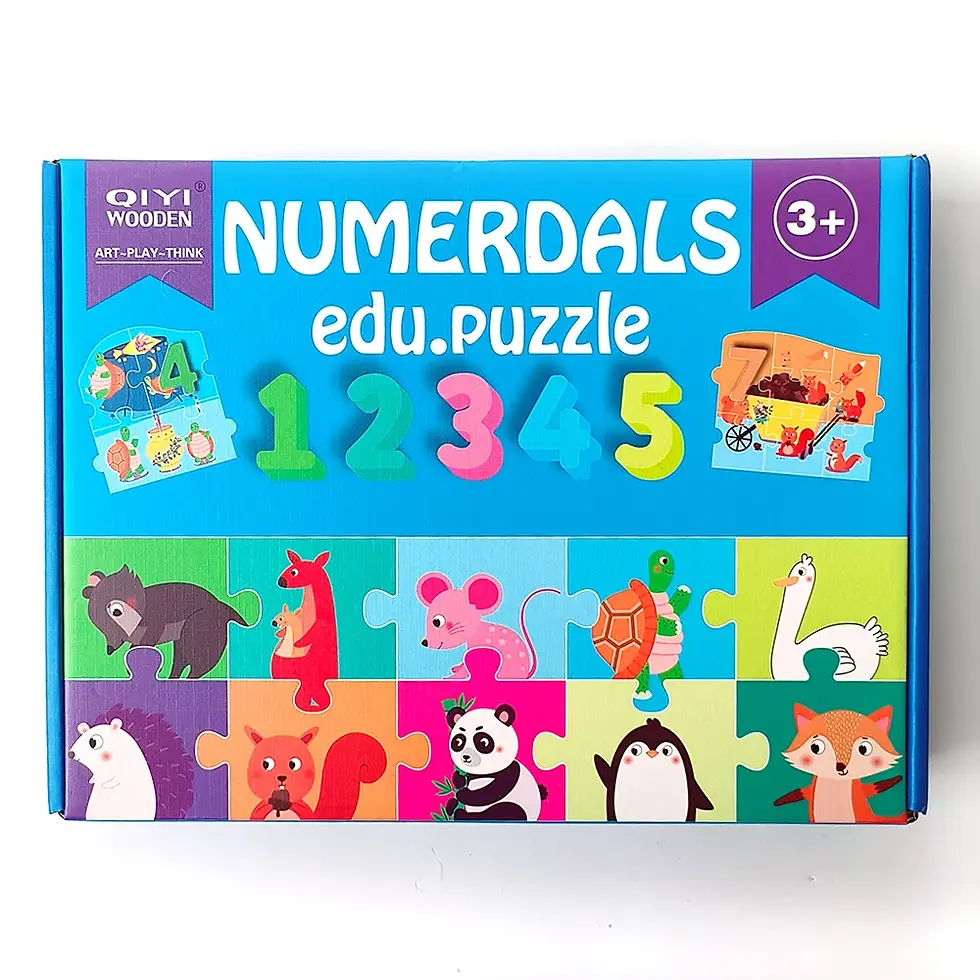
Interactive games and hands-on activities keep students engaged. Ready-made games like bingo, matching cards, or puzzles can reinforce skills in a fun way.
Differentiate Instruction
Use tiered worksheets or task cards to meet the needs of diverse learners. Having materials at different levels helps every student feel successful.
Create Learning Centers
Set up stations with ready-to-use materials for independent or small group work. This encourages student autonomy and allows you to work with small groups.
Use Digital Resources
Many ready-to-use toolkits include digital files that can be projected or shared online. This adds variety and supports remote or hybrid learning.
By integrating these resources into your daily routine, you make teaching smoother and more enjoyable.

Where to Find High-Quality Ready-to-Use Resources
Finding reliable and effective resources is key to building a strong toolkit. There are many places to look, but quality and relevance should always come first. Here are some trusted options:
Educational Websites and Marketplaces
Many websites offer downloadable lesson plans, worksheets, and activities created by experienced educators. Look for resources with positive reviews and clear descriptions.
Teacher Resource Bundles
Bundles often include a variety of materials covering multiple subjects or themes. For example, an elementary teacher toolkit bundle can provide a comprehensive set of ready-to-use resources designed specifically for elementary classrooms.
Professional Development Workshops
Workshops and webinars sometimes provide free or low-cost materials that you can add to your toolkit.
Collaborate with Colleagues
Sharing resources with other teachers can expand your collection and introduce you to new ideas.
Create Your Own Templates
Over time, you can develop your own go-to templates for lesson plans, assessments, and activities that fit your style perfectly.
Always preview resources before using them to ensure they meet your standards and fit your students’ needs.
Tips for Maximizing the Impact of Your Teaching Toolkit
Having a toolkit is just the first step. To get the most out of it, consider these tips:
Stay Organized
Keep your materials sorted by subject, grade level, or theme. Use clear labels and storage solutions that make it easy to find what you need.
Plan Ahead
Review your toolkit before the week starts and select resources that match your lesson plans. This reduces last-minute scrambling.
Be Flexible
Adapt resources to fit your students’ interests and abilities. Don’t be afraid to modify activities or combine materials.
Encourage Student Choice
Let students pick from different activities within your toolkit. This increases engagement and ownership of learning.
Reflect and Improve
After lessons, think about what worked well and what could be better. Update your toolkit accordingly.
By using these strategies, your toolkit becomes a powerful ally in creating a dynamic and supportive learning environment.
Keep Growing Your Teaching Toolkit for Success
Building and enhancing your teaching toolkit is an ongoing process. As you discover new resources and strategies, your toolkit will become richer and more effective. Remember, the goal is to make your teaching life easier and your students’ learning experience better.
Start small, stay organized, and keep exploring. With the right ready-to-use resources, you can create lessons that are engaging, efficient, and enjoyable. Your toolkit is your secret weapon for success in the classroom.
Take the first step today by exploring an elementary teacher toolkit bundle that fits your needs. You’ll be amazed at how much easier teaching can be when you have the right tools ready to go.
Happy teaching!










Comments