


Exploring the Essential Teacher Toolkit for Better Lessons: Teacher Toolkit Essentials

Creating engaging and effective lessons is a rewarding challenge. Over the years, I have learned that having the right tools at hand makes all the difference. A well-prepared teacher toolkit is essential for smooth lesson delivery and student success. In this post, I will share practical insights and step-by-step advice on building your own teacher toolkit essentials. Whether you are teaching in a classroom or at home, these tips will help you feel confident and ready to inspire young learners.
Why Teacher Toolkit Essentials Matter
Every lesson is an opportunity to connect with students and spark their curiosity. But without the right resources, even the best ideas can fall flat. Teacher toolkit essentials provide structure and support. They help you stay organized, manage time, and adapt to different learning styles.
For example, having a variety of writing tools, visual aids, and interactive materials means you can switch gears quickly if a student needs extra help. It also allows you to create lessons that are hands-on and fun, which keeps students engaged and motivated.
Here are some key reasons why a teacher toolkit is so important:
Efficiency: Quickly access what you need without scrambling.
Flexibility: Adapt lessons to meet diverse student needs.
Engagement: Use varied materials to keep lessons lively.
Confidence: Feel prepared and in control during teaching.
By focusing on these essentials, you can make your teaching more effective and enjoyable.

Building Your Teacher Toolkit Essentials
Starting your toolkit might feel overwhelming, but it’s easier than you think. Begin with basics and add items as you discover what works best for your teaching style and students. Here’s a simple, step-by-step guide to assembling your essentials:
1. Basic Supplies
Start with the everyday items you use most:
Pencils, pens, and markers in various colors
Erasers and sharpeners
Sticky notes and index cards
Scissors and glue sticks
Rulers and protractors
These tools are the foundation for most classroom activities. Having extras on hand prevents interruptions.
2. Visual Aids and Manipulatives
Visual learning helps students grasp concepts faster. Include:
Flashcards for vocabulary and math facts
Charts and posters for reference
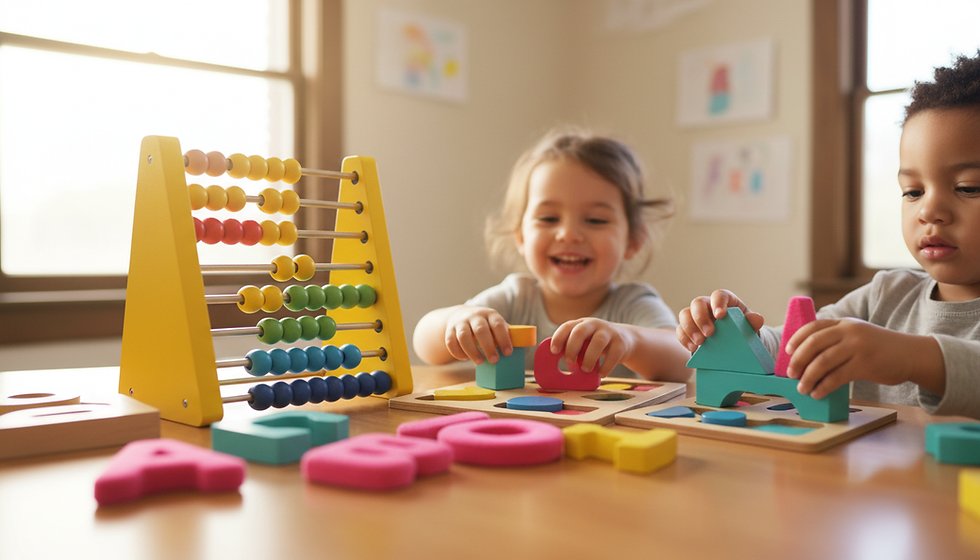
Counters, blocks, or beads for hands-on math
Whiteboard and markers for quick demonstrations
These items make abstract ideas concrete and accessible.
3. Organizational Tools
Keeping materials and plans organized saves time and reduces stress:
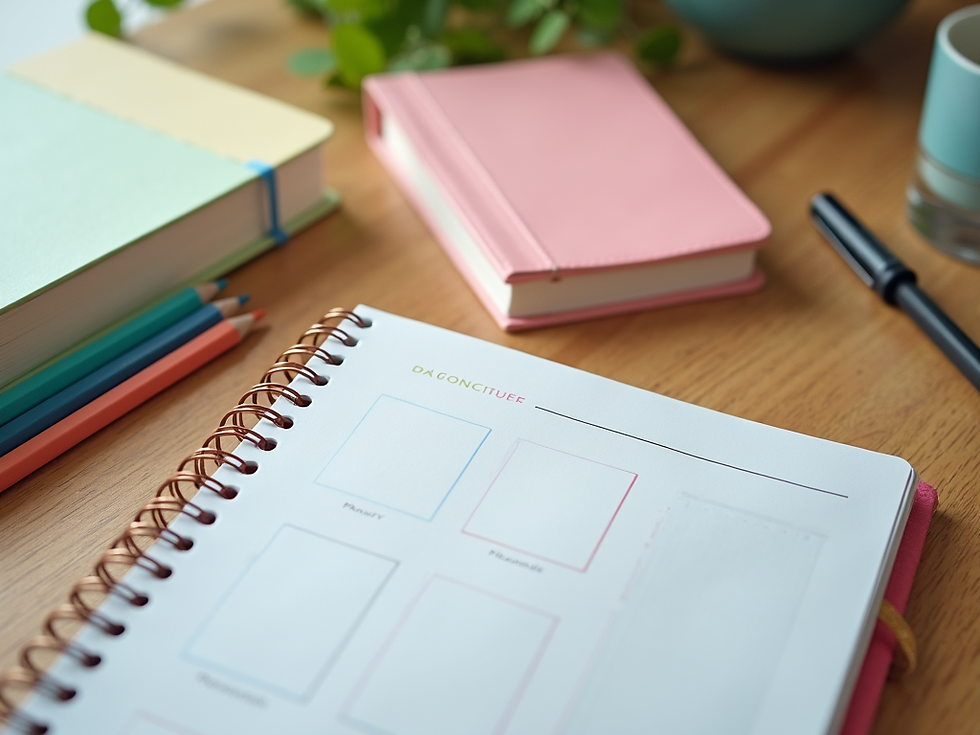
A sturdy planner or digital calendar
File folders or binders for lesson plans and student work
Labels and storage bins for supplies
A timer to manage activities and transitions
Organization supports smooth lesson flow and helps you track progress.
4. Technology and Digital Resources
Technology can enhance lessons when used thoughtfully:
A tablet or laptop for interactive apps and presentations
Educational software or websites aligned with your curriculum
A projector or document camera for sharing work with the class
Make sure to have backup plans in case of technical issues.
5. Classroom Management Tools
Maintaining a positive learning environment is key:
Behavior charts or reward systems
Signal cards or noise meters to manage volume
Name tags or seating charts for easy student identification
These tools help create structure and encourage good behavior.
By gradually building your toolkit with these essentials, you’ll be ready to tackle any lesson with confidence.
How to Use Your Teacher Toolkit for Better Lessons
Having the right tools is just the start. Knowing how to use them effectively makes the biggest difference. Here are some practical tips to get the most out of your teacher toolkit essentials:
Plan Ahead
Before each lesson, review your materials and decide which tools will support your objectives. For example, if you plan a math lesson on addition, gather counters and flashcards in advance. This preparation saves time and keeps students focused.
Be Flexible
Sometimes lessons don’t go as planned. If students struggle, switch to a different tool or activity. Use your visual aids or manipulatives to explain concepts in a new way. Flexibility helps meet diverse learning needs.
Involve Students
Encourage students to use toolkit items themselves. Let them handle manipulatives or write on the whiteboard. This hands-on involvement boosts engagement and retention.
Reflect and Adjust
After each lesson, think about what worked well and what didn’t. Adjust your toolkit accordingly. Maybe you need more colorful markers or additional flashcards. Continuous improvement makes your teaching stronger.
Use Ready-Made Bundles
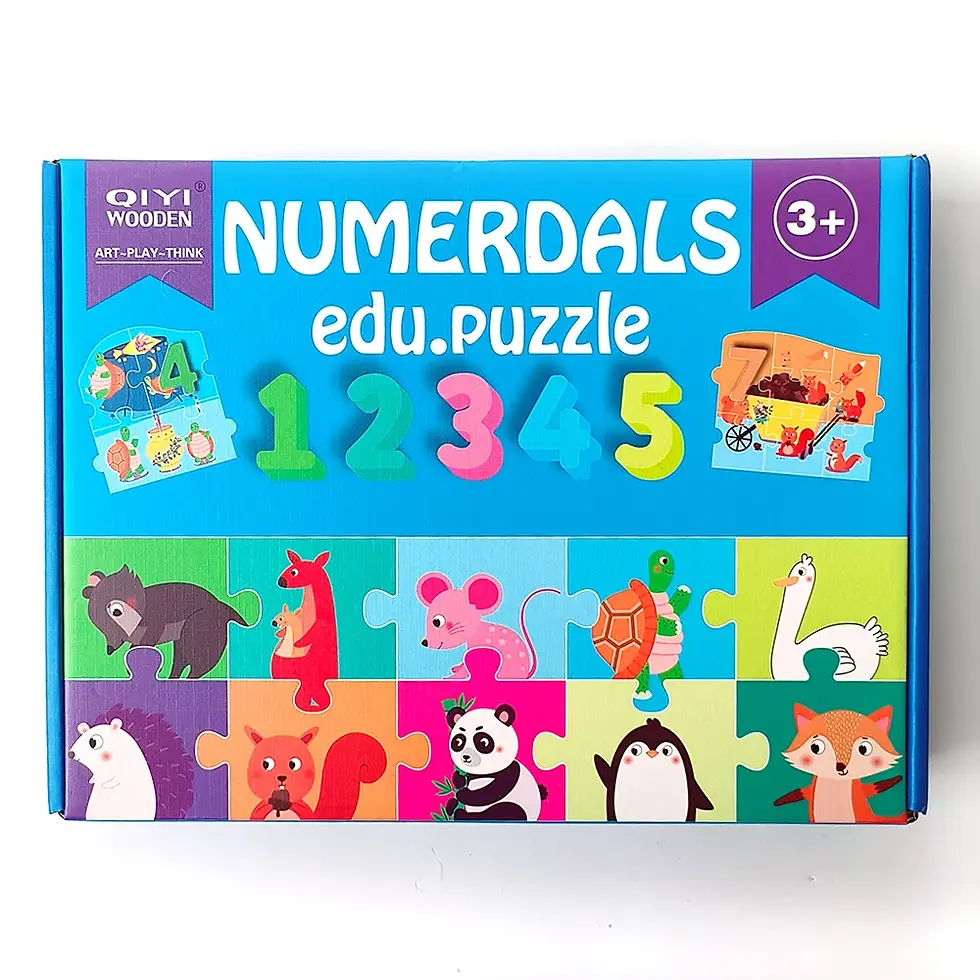
To save time, consider using a comprehensive elementary teacher toolkit bundle. These bundles include a variety of essential materials designed to support lesson planning and classroom activities. They can be a great starting point or a helpful supplement to your own collection.

Tips for Maintaining and Updating Your Toolkit
A teacher toolkit is a living resource. It grows and changes with your teaching journey. Here are some tips to keep it fresh and useful:
Regularly check supplies: Replace worn-out or missing items.
Add new tools: Explore new teaching aids or technology that can enhance lessons.
Organize seasonally: Adjust materials based on the curriculum or time of year.
Get student input: Ask students what tools help them learn best.
Share with colleagues: Exchange ideas and resources to expand your toolkit.
Keeping your toolkit updated ensures you always have what you need to create engaging lessons.
Empowering Your Teaching Journey
Building and using your teacher toolkit essentials is a powerful step toward better lessons. With the right tools, you can create a learning environment where students feel supported and excited to learn. Remember, the goal is to make teaching easier and more effective, so you can focus on what matters most - inspiring young minds.
Start small, stay organized, and keep exploring new resources. Your toolkit will become your trusted companion in the classroom, helping you deliver lessons that truly make a difference.
Happy teaching!










Comments