


First-Grade Curriculum Goals: A Comprehensive Guide
- Ngechent

- Apr 24
- 4 min read
Updated: Apr 24
📖 Estimated Reading Time: 4 minutes | Just Teach — Free K-5 Resources
Starting first grade is an exciting milestone. It’s a year full of discovery, growth, and laying the foundation for future learning. Understanding the first-grade curriculum goals helps educators and parents support children effectively. This guide breaks down what first graders should learn, how to approach teaching, and provides practical tips to create a positive learning environment.
Understanding First-Grade Curriculum Goals
First-grade curriculum goals focus on building essential skills in reading, writing, math, science, and social studies. These goals are designed to help children develop confidence and independence in their learning. The curriculum emphasizes both academic skills and social-emotional growth.
Here are some key areas covered in first grade:
The goals are clear and achievable, helping children build a strong foundation for second grade and beyond.

What Should a First Grader Know at the End of First Grade?
By the end of first grade, children should have mastered several important skills. These skills prepare them for more complex subjects in the coming years. Here’s a detailed look at what first graders should know:
Reading and Writing Skills
Recognize and name all uppercase and lowercase letters.
Understand the sounds each letter makes.
Read simple books with basic vocabulary.
Write simple sentences using correct spacing and punctuation.
Use phonics to decode unfamiliar words.
Math Skills
Count to 120, starting at any number less than 120.
Understand place value (ones and tens).
Add and subtract within 20 fluently.
Solve word problems involving addition and subtraction.
Identify and describe shapes like circles, squares, and triangles.
Science and Social Studies
Describe the seasons and weather patterns.
Understand the basic needs of plants and animals.
Recognize community helpers and their roles.
Identify important holidays and traditions.
These skills are not just academic; they also help children develop critical thinking and problem-solving abilities.
Practical Tips for Teaching First-Grade Curriculum Goals
Teaching first graders requires patience, creativity, and clear communication. Here are some practical tips to help educators and parents meet the curriculum goals effectively:
Use Hands-On Activities
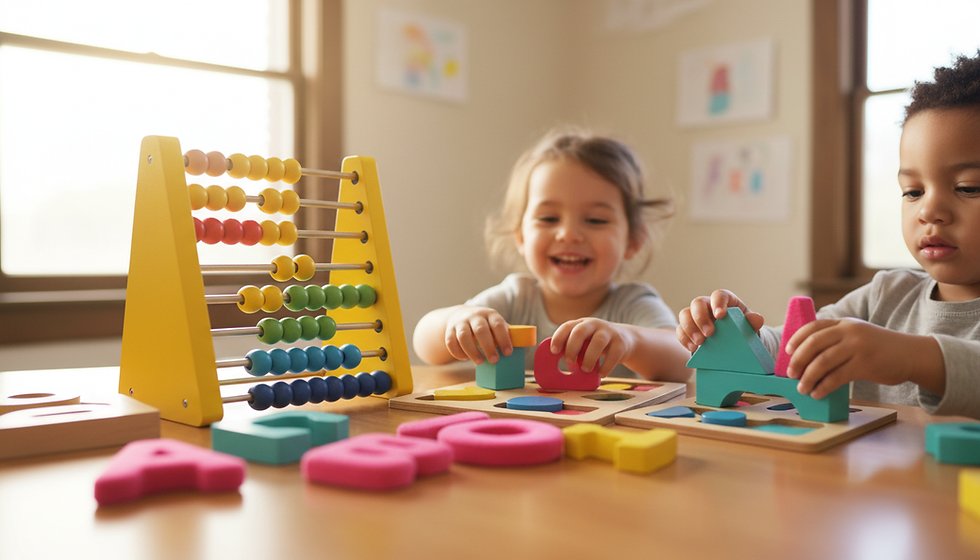
Children learn best when they can touch, see, and explore. Use manipulatives like blocks for math or letter tiles for reading. Hands-on activities make abstract concepts concrete.
Keep Lessons Short and Engaging
First graders have limited attention spans. Break lessons into small chunks and include movement or games to keep them interested.
Encourage Reading Every Day
Reading aloud and independent reading should be daily habits. Choose books that match their reading level and interests.
Use Visual Aids and Charts
Visuals help reinforce learning. Use charts for the alphabet, numbers, and sight words. Display them where children can see and refer to them often.
Foster a Positive Learning Environment
Celebrate successes, no matter how small. Encourage questions and curiosity. A supportive environment builds confidence and a love for learning.

How to Support Diverse Learners in First Grade
Every child learns differently. Some may need extra help, while others may be ready for more challenging work. Here’s how to support diverse learners:
Differentiate Instruction: Tailor lessons to meet individual needs. Use simpler texts for struggling readers and more complex tasks for advanced students.
Use Multisensory Approaches: Combine visual, auditory, and kinesthetic learning styles to reach all students.
Provide Extra Practice: Offer additional worksheets or online resources for children who need more time to master skills.
Encourage Peer Learning: Pair students to work together. Peer support can boost understanding and social skills.
Communicate with Families: Keep parents informed about progress and ways they can help at home.
By recognizing and addressing different learning styles, educators can ensure all students meet the first-grade curriculum goals.
Resources to Enhance First-Grade Learning
There are many resources available to help teach first-grade curriculum goals effectively. Here are some recommendations:
Educational Websites: Interactive games and printable worksheets can reinforce skills.
Library Books: Choose a variety of fiction and nonfiction books suitable for first graders.
Classroom Kits: Science and math kits provide hands-on learning experiences.
Apps: Use educational apps that focus on reading, math, and problem-solving.
Professional Development: Teachers can benefit from workshops and online courses focused on early childhood education.
Using a mix of resources keeps learning fresh and exciting for first graders.
Moving Forward with Confidence
Understanding and implementing the first grade curriculum standards is key to helping children succeed. These standards provide a clear roadmap for what first graders should learn and achieve. By focusing on these goals, educators and parents can create a supportive and engaging learning environment.
Remember, first grade is about more than just academics. It’s about nurturing curiosity, building confidence, and developing a lifelong love of learning. With the right approach and resources, every child can thrive and reach their full potential.
This guide aims to make lesson planning and teaching easier and more effective. By focusing on clear goals and practical strategies, you can help first graders build a strong foundation for their educational journey.
─────────────────────────────────────
About the Author
This article was written by the Just Teach editorial team — K-5 educators from Appleton, Wisconsin. Just Teach provides free, curriculum-aligned lesson plans, phonics resources, and instructional materials for K-5 classroom and home teachers.
🎓 Credentials: B.S. & M.Ed. in Elementary Education | K-5 Certified Teachers | Curriculum Design Specialists
─────────────────────────────────────
📣 Share This Article
Did you find this helpful? Share it with a fellow educator:
📘 Share on Facebook → https://www.facebook.com/sharer/sharer.php?u=https%3A%2F%2Fwww.justteach.co%2Fpost%2Ffirst-grade-curriculum-goals-a-comprehensive-guide-2
🐦 Share on Twitter/X → https://twitter.com/intent/tweet?url=https%3A%2F%2Fwww.justteach.co%2Fpost%2Ffirst-grade-curriculum-goals-a-comprehensive-guide-2&text=First-Grade%20Curriculum%20Goals%3A%20A%20Comprehensive%20Guide
💼 Share on LinkedIn → https://www.linkedin.com/shareArticle?mini=true&url=https%3A%2F%2Fwww.justteach.co%2Fpost%2Ffirst-grade-curriculum-goals-a-comprehensive-guide-2&title=First-Grade%20Curriculum%20Goals%3A%20A%20Comprehensive%20Guide
─────────────────────────────────────
📚 Related Posts
Keep exploring — more free resources from Just Teach:
Engaging K-2 Phonics Lesson Plan: Long /ee/ Sound → https://www.justteach.co/post/engaging-k-2-phonics-lesson-plan-the-long-ee-sound-complete-classroom-guide-with-pdf
Budget-Friendly Lesson Plans Made Easy → https://www.justteach.co/post/budget-friendly-elementary-lesson-plans-made-easy
Creating Engaging Elementary Lesson Plans → https://www.justteach.co/post/creating-engaging-elementary-lesson-plans
✅ All resources at Just Teach are free for K-5 educators.









Comments