


Streamline Your Elementary Lesson Plans: Lesson Plan Simplification Strategies
- Ngechent

- Feb 23
- 4 min read
Updated: Mar 5
📖 Estimated Reading Time: 4 minutes | Just Teach — Free K-5 Resources
Creating lesson plans for elementary students can sometimes feel overwhelming. There are so many subjects, activities, and learning goals to cover. But it doesn’t have to be complicated. With the right lesson plan simplification strategies, you can save time, reduce stress, and focus on what matters most - helping your students learn and grow.
In this post, I’ll share practical tips and easy-to-follow advice to help you streamline your lesson planning process. Whether you teach in a classroom or at home, these strategies will make your planning more efficient and your lessons more engaging.
Why Simplifying Lesson Plans Matters
Simplifying your lesson plans is not about cutting corners. It’s about making your planning smarter and more effective. When your plans are clear and straightforward, you can:
Spend less time preparing and more time teaching.
Adapt lessons quickly to meet your students’ needs.
Keep your students engaged with focused activities.
Reduce your stress and avoid burnout.
For example, instead of writing detailed scripts for every minute, focus on key learning objectives and flexible activities. This way, you can adjust on the fly and keep lessons fresh.

Lesson Plan Simplification Strategies You Can Use Today
Here are some of my favorite strategies to simplify your lesson plans without losing quality:
1. Start with Clear Learning Goals
Begin each lesson plan by defining what you want your students to learn. Use simple, specific goals like:
"Students will identify the main idea in a story."
"Students will solve addition problems up to 20."
Clear goals help you focus your activities and assessments. They also make it easier to measure student progress.
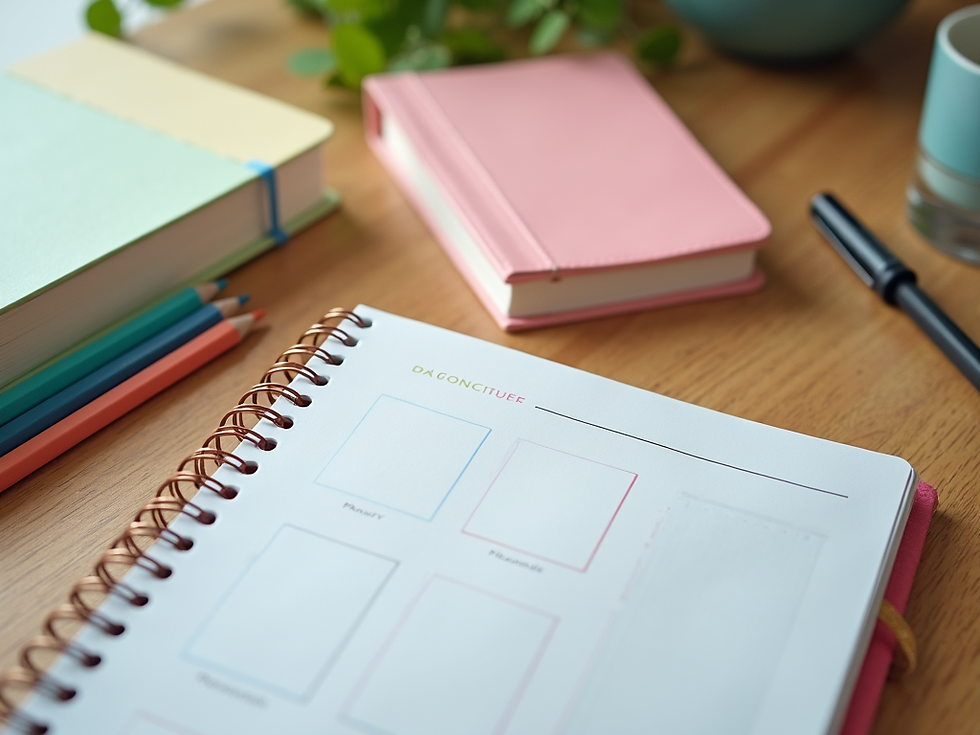
2. Use a Consistent Template
Create or find a lesson plan template that works for you. A consistent format saves time because you don’t have to start from scratch each time. Your template might include:
Learning objectives
Materials needed
Step-by-step activities
Assessment methods
Having a go-to template keeps your plans organized and easy to follow.
3. Plan in Blocks
Instead of planning every minute, divide your lesson into blocks of time. For example:
10 minutes: Introduction and review
20 minutes: Main activity
10 minutes: Group work or discussion
10 minutes: Wrap-up and assessment
This approach gives you flexibility and helps you manage time better.
4. Incorporate Reusable Activities
Use activities that can be adapted for different lessons or subjects. For example, a reading comprehension worksheet can be used with various stories. This reduces the need to create new materials constantly.
5. Use Technology Wisely
There are many online tools and resources that can help you plan faster. Digital lesson planners, educational apps, and printable resources can save you time and effort.
6. Collaborate and Share
Work with other educators to share lesson plans and ideas. Collaboration can inspire new approaches and reduce your workload.
What is the best way to learn is to teach?
One of the most powerful strategies I’ve found is to remember that the best way to learn is to teach. When you prepare to teach a concept, you deepen your own understanding. This mindset helps you create clearer, more effective lesson plans.
For example, when planning a science lesson, I try to explain the concept to myself first. This helps me anticipate questions students might have and find simple ways to explain tricky ideas.
Also, encouraging students to teach each other can reinforce their learning. Group activities where students explain concepts to peers are a great way to build confidence and understanding.

How to Keep Your Lessons Engaging and Simple
Engagement is key to successful learning. Here are some tips to keep your lessons lively without complicating your plans:
Use hands-on activities: Simple experiments, crafts, or games make learning fun and memorable.
Incorporate stories and examples: Relate lessons to real-life situations or stories to make concepts relatable.
Ask open-ended questions: Encourage students to think and express their ideas.
Use visuals: Charts, pictures, and videos can clarify information quickly.
Keep instructions clear and concise: Avoid overwhelming students with too many steps at once.
Remember, the goal is to create a learning environment where students feel motivated and supported. When your lesson plans are simple and focused, you can spend more time connecting with your students and less time worrying about logistics.
Tips for Staying Organized and Stress-Free
Planning doesn’t have to be a source of stress. Here are some practical tips to keep your workflow smooth:
Set aside regular planning time: Dedicate a specific time each week for lesson planning.
Keep materials organized: Use folders, binders, or digital tools to store your plans and resources.
Reflect and adjust: After each lesson, note what worked and what didn’t. Use this feedback to improve future plans.
Avoid perfectionism: Your lesson plan is a guide, not a script. It’s okay to adapt as you go.
By following these tips, you’ll find that lesson planning becomes easier and more enjoyable.
Empower Your Teaching Journey
Streamlining your lesson plans is a step toward a more balanced and effective teaching experience. With clear goals, simple templates, and engaging activities, you can create lessons that inspire and empower your students.
Remember, the key is to focus on what matters most - helping your students succeed. Use these lesson plan simplification strategies to save time, reduce stress, and make teaching a joyful experience.
Start small, try one or two strategies at a time, and watch how your planning process improves. You’ve got this!

By applying these strategies, you’ll be well on your way to creating lesson plans that are both effective and manageable. Keep exploring, keep adapting, and most importantly, keep inspiring your students every day.
─────────────────────────────────────
About the Author
This article was written by the Just Teach editorial team — K-5 educators from Appleton, Wisconsin. Just Teach provides free, curriculum-aligned lesson plans, phonics resources, and instructional materials for K-5 classroom and home teachers.
🎓 Credentials: B.S. & M.Ed. in Elementary Education | K-5 Certified Teachers | Curriculum Design Specialists
─────────────────────────────────────
📣 Share This Article
Did you find this helpful? Share it with a fellow educator:
📘 Share on Facebook → https://www.facebook.com/sharer/sharer.php?u=https%3A%2F%2Fwww.justteach.co%2Fpost%2Fstreamline-your-elementary-lesson-plans-lesson-plan-simplification-strategies
🐦 Share on Twitter/X → https://twitter.com/intent/tweet?url=https%3A%2F%2Fwww.justteach.co%2Fpost%2Fstreamline-your-elementary-lesson-plans-lesson-plan-simplification-strategies&text=Streamline%20Your%20Elementary%20Lesson%20Plans%3A%20Simplification%20Strategies
💼 Share on LinkedIn → https://www.linkedin.com/shareArticle?mini=true&url=https%3A%2F%2Fwww.justteach.co%2Fpost%2Fstreamline-your-elementary-lesson-plans-lesson-plan-simplification-strategies&title=Streamline%20Your%20Elementary%20Lesson%20Plans%3A%20Simplification%20Strategies
─────────────────────────────────────
📚 Related Posts
Keep exploring — more free resources from Just Teach:
Engaging K-2 Phonics Lesson Plan: Long /ee/ Sound → https://www.justteach.co/post/engaging-k-2-phonics-lesson-plan-the-long-ee-sound-complete-classroom-guide-with-pdf
Budget-Friendly Lesson Plans Made Easy → https://www.justteach.co/post/budget-friendly-elementary-lesson-plans-made-easy
Creating Engaging Elementary Lesson Plans → https://www.justteach.co/post/creating-engaging-elementary-lesson-plans
✅ All resources at Just Teach are free for K-5 educators.











Comments