


Affordable and Effective Budget-Friendly Lesson Plans for Elementary Teachers

📖 Estimated Reading Time: 4 minutes | Just Teach — Free K-5 Resources
Creating engaging and effective lesson plans can sometimes feel overwhelming, especially when working with a tight budget. I understand the challenge of balancing quality teaching materials with limited resources. That’s why I want to share practical tips and ideas for budget-friendly lesson plans that make teaching easier and more enjoyable. These strategies will help you save time and money while keeping your students excited about learning.
Why Budget-Friendly Lesson Plans Matter
When you have access to affordable and well-designed lesson plans, your teaching experience improves significantly. Budget-friendly lesson plans allow you to:
Save money on costly materials and resources
Spend more time focusing on teaching rather than planning
Provide diverse and creative learning experiences for students
Adapt easily to different classroom needs and learning styles
By using budget-friendly lesson plans, you can create a positive and productive classroom environment without breaking the bank. This approach supports your goal of helping students succeed and reach their full potential.

How to Create Budget-Friendly Lesson Plans That Work
Creating lesson plans that are both affordable and effective requires a bit of creativity and planning. Here are some simple steps to get started:
1. Use Free or Low-Cost Resources
There are many free or inexpensive resources available online. Websites, educational blogs, and community groups often share lesson plans, worksheets, and activities at no cost. Look for materials that align with your curriculum and teaching style.
2. Repurpose Everyday Items
You don’t need fancy supplies to make lessons engaging. Use everyday items like paper, cardboard, recycled materials, and household objects to create hands-on activities. For example, use bottle caps for counting games or old magazines for collage projects.
3. Plan Multi-Use Activities
Design activities that can be used across different subjects or lessons. For example, a storytelling exercise can improve reading, writing, and speaking skills. This saves time and resources while reinforcing learning in multiple areas.
4. Collaborate with Other Educators
Sharing lesson plans and ideas with colleagues can be a great way to find new, affordable teaching strategies. Collaboration helps you discover what works well and avoid reinventing the wheel.
5. Keep It Simple and Clear
Focus on clear objectives and straightforward instructions. Simple lesson plans are easier to follow and adapt. This also helps students stay focused and understand what they need to learn.
Examples of Budget-Friendly Lesson Plans
Here are some specific examples of lesson plans that are both affordable and effective:
Science: Plant Growth Observation
Materials: Seeds, soil, small pots or recycled containers, water
Activity: Have students plant seeds and observe their growth over several weeks. They can record changes in a journal or draw pictures.
Benefits: Hands-on learning, encourages responsibility, and teaches scientific observation.
Math: Counting with Everyday Objects
Materials: Buttons, coins, pasta, or beans
Activity: Use these objects for counting, sorting, and simple addition or subtraction games.
Benefits: Makes abstract math concepts tangible and fun.
Reading: Storytelling Circle
Materials: None or simple props like hats or puppets
Activity: Students take turns telling parts of a story or creating their own stories in a group.
Benefits: Builds language skills, creativity, and confidence.
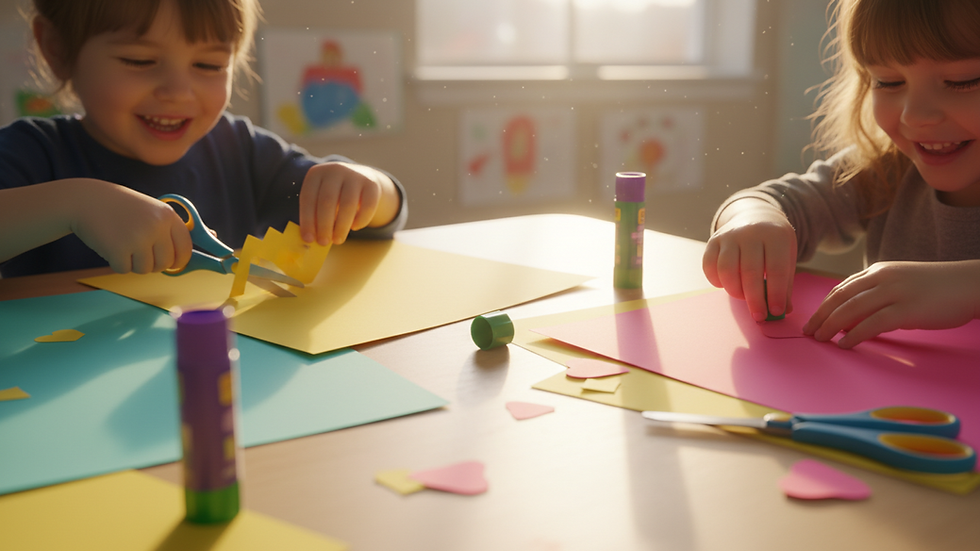
Art: Collage Creation
Materials: Old magazines, glue, scissors, paper
Activity: Students create collages based on a theme, such as nature or community.
Benefits: Encourages creativity and fine motor skills.

Tips for Staying Organized and Stress-Free
Managing lesson plans on a budget can be easier with good organization. Here are some tips to keep things running smoothly:
Use a Planner or Digital Tool: Keep track of your lesson plans, materials needed, and deadlines.
Prepare Materials in Advance: Gather and organize supplies before the lesson to avoid last-minute stress.
Create a Resource Library: Collect reusable materials and printables in one place for easy access.
Set Realistic Goals: Focus on achievable objectives for each lesson to maintain a positive teaching pace.
Reflect and Adjust: After each lesson, note what worked well and what could be improved for next time.
Where to Find Affordable Elementary Lesson Plans
If you want to save even more time, consider exploring affordable elementary lesson plans that are designed to be budget-friendly and easy to use. These plans often come with detailed instructions, printable materials, and ideas for adapting lessons to different student needs. Using these resources can help you focus on teaching while ensuring your students get the best learning experience.
Making Learning Fun and Engaging on a Budget
Keeping students engaged is key to effective teaching. Here are some ways to make lessons fun without spending a lot:
Incorporate Games: Use simple games like bingo, matching cards, or scavenger hunts to reinforce concepts.
Use Technology Wisely: Free educational apps and websites can add variety to lessons.
Encourage Group Work: Collaborative activities build social skills and make learning interactive.
Celebrate Achievements: Recognize student progress with certificates or small rewards made from inexpensive materials.
By focusing on creativity and interaction, you can create a lively classroom atmosphere that motivates students to learn.
Final Thoughts on Budget-Friendly Teaching
Teaching on a budget does not mean sacrificing quality. With the right approach, you can create affordable and effective lesson plans that inspire and educate. Remember to use free resources, repurpose materials, and keep your plans simple and clear. Collaboration and organization will also help you stay on track and reduce stress.
By embracing these strategies, you will build a classroom environment where students thrive and enjoy learning every day. Keep exploring new ideas and adapting your lessons to meet your students’ needs. Your dedication and creativity make all the difference.
Happy teaching!
─────────────────────────────────────
About the Author
This article was written by the Just Teach editorial team — K-5 educators from Appleton, Wisconsin. Just Teach provides free, curriculum-aligned lesson plans, phonics resources, and instructional materials for K-5 classroom and home teachers.
🎓 Credentials: B.S. & M.Ed. in Elementary Education | K-5 Certified Teachers | Curriculum Design Specialists
─────────────────────────────────────
📣 Share This Article
Did you find this helpful? Share it with a fellow educator:
📘 Share on Facebook → https://www.facebook.com/sharer/sharer.php?u=https%3A%2F%2Fwww.justteach.co%2Fpost%2Faffordable-and-effective-budget-friendly-lesson-plans-for-elementary-teachers
🐦 Share on Twitter/X → https://twitter.com/intent/tweet?url=https%3A%2F%2Fwww.justteach.co%2Fpost%2Faffordable-and-effective-budget-friendly-lesson-plans-for-elementary-teachers&text=Affordable%20Budget-Friendly%20Lesson%20Plans%20for%20Elementary%20Teachers
💼 Share on LinkedIn → https://www.linkedin.com/shareArticle?mini=true&url=https%3A%2F%2Fwww.justteach.co%2Fpost%2Faffordable-and-effective-budget-friendly-lesson-plans-for-elementary-teachers&title=Affordable%20Budget-Friendly%20Lesson%20Plans%20for%20Elementary%20Teachers
─────────────────────────────────────
📚 Related Posts
Keep exploring — more free resources from Just Teach:
Engaging K-2 Phonics Lesson Plan: Long /ee/ Sound → https://www.justteach.co/post/engaging-k-2-phonics-lesson-plan-the-long-ee-sound-complete-classroom-guide-with-pdf
Budget-Friendly Lesson Plans Made Easy → https://www.justteach.co/post/budget-friendly-elementary-lesson-plans-made-easy
Creating Engaging Elementary Lesson Plans → https://www.justteach.co/post/creating-engaging-elementary-lesson-plans
✅ All resources at Just Teach are free for K-5 educators.


Comments